Enterprise TL;DR: Global Hospitality Thought Leadership
The hospitality industry has undergone a historical evolution, shifting from individual expertise to inclusive, collaborative leadership. This transformation is driven by globalization, digital disruption, and evolving consumer preferences. Key strategies for 2026 include:
– Culture of Innovation: Promoting psychological safety, open communication, and experimentation for collective intelligence.
– Digital Fluency: Embracing digital technologies and ensuring employee digital literacy.
– Agile Decision-Making: Rapid market changes demand quick, data-driven decisions and a culture of continuous improvement.
– Emotional Intelligence: Effective leadership in the digital age requires managing emotions during technological implementations.
– Cross-Cultural Collaboration: Encouraging diverse idea-sharing for global innovation.
– Data-Driven Decisions: Leveraging analytics for guest insights, optimizing experiences, and strategies.
– Sustainable Partnerships: Building relationships for brand growth, loyalty, and mutual success.
By implementing these strategies, hospitality leaders can drive success, adapt to change, and secure market leadership in a rapidly evolving industry landscape.
The hospitality industry, a global powerhouse, is undergoing a profound transformation driven by evolving customer expectations and technological advancements. In this dynamic landscape, the role of leadership has evolved from traditional management to thought leadership, shaping the future of hospitality. The Hospitality Thought Leadership Forum serves as a pivotal platform, where industry experts gather to exchange insights, fostering innovation and strategic direction. This article explores the evolution of leadership within this forum, delving into its historical roots, current trends, and strategic solutions to empower hospitality thought leaders in navigating the complexities of today’s market. By understanding the historical thought leadership history and its evolution, enterprises can harness the power of this dynamic community to drive growth, enhance customer experiences, and stay ahead in the competitive hospitality sector.
- Redefining Leadership: Thought Leadership Forum's Historical Transformation
- Fostering Innovation: Enterprise Strategies for Hospitality Thought Leaders
- Digital Age Disruption: Adapting Leadership for Future Hospitality Success
- Globalization's Impact: Expanding Thought Leadership in Diverse Markets
- Sustaining Growth: Leadership Strategies for Long-Term Hospitality Enterprise
- Data-Driven Decisions: Leveraging Analytics in Hospitality Thought Leadership
Redefining Leadership: Thought Leadership Forum's Historical Transformation

The Hospitality Thought Leadership Forum, a pioneering platform for industry insights, has undergone a remarkable transformation over the years, reflecting the dynamic nature of leadership in the ever-evolving hospitality sector. This evolution tells a compelling story of how leadership concepts have adapted to meet the demands of a diverse and globalized market.
Historically, the forum’s focus on thought leadership centered around individual expertise and personal networks. Early discussions often revolved around the experiences and insights of industry veterans, sharing best practices and offering solutions to common challenges. However, as the hospitality landscape diversified, so too did the leadership landscape. This realization prompted the forum to embrace a more inclusive and collaborative approach.
One of the key insights that emerged was the importance of recognizing and addressing leadership challenges in diverse teams. With the industry’s increasing globalization, hospitality organizations now operate across cultural boundaries, requiring leaders to navigate complex dynamics. The forum facilitated conversations that delved into strategies for fostering inclusive leadership, where every team member feels valued and empowered to contribute. This shift from individual excellence to collective intelligence was a significant milestone in the evolution of thought leadership.
The distinction between good and bad leadership became a recurring theme in these discussions. Effective leaders were no longer seen solely as decision-makers but as facilitators of collaboration and innovation. The ability to inspire and motivate diverse teams became a critical success factor. The forum encouraged members to explore the psychological and emotional aspects of leadership, emphasizing the power of empathy, active listening, and inclusive communication to drive action.
As the forum continued to evolve, it recognized the need to delve deeper into the science behind leadership. This led to a series of workshops and seminars focused on neuro-linguistic programming, emotional intelligence, and cognitive biases. By providing business solutions based on scientific research, the forum equipped leaders with the tools to understand and manage their own and their team’s behaviors. This strategic approach to leadership development helped organizations address specific challenges, such as conflict resolution, decision-making, and fostering a culture of continuous improvement.
The historical transformation of the Hospitality Thought Leadership Forum highlights the dynamic nature of thought leadership in the business world. By embracing diversity, inclusivity, and evidence-based practices, organizations can redefine leadership and inspire action across their entire workforce. This evolution serves as a testament to the forum’s commitment to staying at the forefront of industry trends, ensuring that leaders are equipped to navigate the complexities of the modern hospitality market.
Fostering Innovation: Enterprise Strategies for Hospitality Thought Leaders

Fostering Innovation: Enterprise Strategies for Hospitality Thought Leaders
The hospitality industry, known for its dynamic nature and constant evolution, is also a breeding ground for thought leadership. As the industry navigates new challenges and opportunities, the role of thought leaders is more crucial than ever. This evolution in leadership is not merely a trend; it’s a strategic imperative. By embracing modern approaches and fostering a culture of innovation, hospitality enterprises can stay ahead in a competitive market.
Understanding the Shift: Modern vs. Traditional Leadership
Historically, leadership in hospitality often revolved around hierarchical structures and traditional methods. Today, however, the landscape is markedly different. Modern leadership emphasizes collaboration, psychological safety, and a shared vision. Thought leaders in hospitality are no longer merely experts; they become catalysts for change, driving operational efficiency, customer satisfaction, and competitive advantage through innovative strategies.
Building a Culture of Innovation
Enterprise success hinges on the ability to harness the power of collective intelligence. Thought leaders play a vital role in cultivating a culture that encourages risk-taking, creativity, and knowledge sharing. This involves:
Promoting Psychological Safety: A safe, inclusive environment where employees feel comfortable expressing new ideas, asking questions, and taking calculated risks is essential.
Fostering Open Communication: Encourage honest and transparent dialogue, creating channels for all team members to contribute to discussions and share insights.
Empowering Experimentation: Provide resources and support for experimentation, allowing teams to explore new ideas and technologies with a focus on learning and adaptation.
Modern Approaches to Leadership Training
Traditional training programs often fall short in preparing leaders for today’s complex business environment. Modern approaches, guided by thought leadership principles, prioritize:
Competency-Based Learning: Focus on developing specific skills and knowledge areas relevant to the industry’s evolving needs, ensuring leaders are equipped with the tools to drive innovation.
Peer-to-Peer Mentorship: Encourage experienced leaders to mentor emerging talent, fostering knowledge transfer and building a network of expert support.
Experiential Learning: Incorporate real-world scenarios and simulations to enhance problem-solving abilities and encourage strategic thinking.
Enterprise Benefits: The Power of Thought Leadership
Implementing these strategies yields tangible business benefits:
Increased Efficiency and Effectiveness: Innovative approaches streamline operations, optimize resource allocation, and lead to improved bottom-line results.
Enhanced Customer Experience: Thought leaders drive the creation of unique, memorable guest experiences that differentiate the brand and foster loyalty.
Attracting and Retaining Top Talent: A culture that values innovation, collaboration, and growth attracts the best and brightest, while fostering employee engagement and retention.
Competitive Advantage: By staying at the forefront of industry trends and embracing new technologies, hospitality enterprises can gain a significant edge in a crowded market.
In conclusion, fostering innovation through thought leadership is not just a competitive advantage; it’s a strategic imperative for the modern hospitality enterprise. By embracing modern approaches, building psychological safety, and investing in effective leadership training, hospitality organizations can unlock their full potential and secure a prosperous future.
Digital Age Disruption: Adapting Leadership for Future Hospitality Success

Digital Age Disruption: Adapting Leadership for Future Hospitality Success
The hospitality industry, known for its rich tradition and personal touch, is undergoing a profound transformation. The digital age has disrupted established business models, guest expectations, and, most significantly, the very nature of leadership.
Historically, thought leadership in hospitality focused on innate hospitality, strong interpersonal skills, and a deep understanding of guest needs. Traditional leadership styles, often hierarchical, emphasized command and control. Yet, the digital revolution has forced a paradigm shift. Today’s successful hospitality leaders must embrace a blend of timeless principles and innovative digital fluency.
Comparing Leadership Theories and Styles: Past and Present
Throughout history, what makes a great leader has remained remarkably consistent:
– Servant Leadership: Emphasizing putting the needs of others first, this philosophy has its roots in ancient philosophical traditions and gained prominence through the work of Robert K. Greenleaf. In hospitality, it translates into prioritizing guest satisfaction and employee empowerment.
– Transformational Leadership: Leaders who inspire and motivate others to achieve extraordinary results often exhibit this style. By challenging the status quo and fostering innovation, they drive organizational change and growth.
However, the digital age introduces new variables. Traditional hierarchical structures have given way to more collaborative models. Flat organizational charts and agile communication channels empower employees at all levels, demanding leaders who can facilitate collaboration and leverage technology effectively.
Modern vs Traditional Leadership: A Comparative Analysis
– Technological Proficiency: Today’s leaders must be digital natives, adept at navigating evolving technologies like social media, artificial intelligence, and cloud-based systems. This allows them to enhance guest experiences, streamline operations, and gain valuable insights through data analysis.
– Agile Decision-Making: Rapidly changing market conditions demand agile leaders who can make informed decisions quickly. This involves embracing data-driven strategies, fostering a culture of continuous improvement, and encouraging risk-taking within established boundaries.
– Emotional Intelligence: While always crucial, emotional intelligence takes on new significance in the digital age. Leaders must understand and manage their own emotions and those of their teams, especially when navigating complex technological implementations or addressing employee anxieties about automation.
Enterprise Solutions and Business Benefits
To thrive in the digital future, hospitality leaders must:
– Invest in Digital Literacy: Offer comprehensive training programs to ensure all employees, from front-line staff to executives, possess the digital skills needed to succeed.
– Foster a Culture of Innovation: Encourage a mindset of continuous improvement and experimentation. Embrace new technologies and ideas, even if they seem unconventional, to stay ahead of the curve.
– Prioritize Data-Driven Decision Making: Leverage data analytics to gain insights into guest preferences, market trends, and operational inefficiencies. Use these insights to personalize guest experiences, optimize pricing strategies, and make strategic business decisions.
– Embrace Collaborative Leadership: Break down silos and encourage cross-functional collaboration. This empowers employees to contribute innovatively and fosters a sense of ownership and commitment to the organization’s success.
By embracing these principles and adapting leadership styles to the digital age, hospitality businesses can ensure long-term success, create a culture of excellence, and deliver unforgettable guest experiences in a rapidly evolving landscape.
Globalization's Impact: Expanding Thought Leadership in Diverse Markets
The global hospitality industry’s evolution has been markedly influenced by its diverse markets and the need to adapt thought leadership strategies to meet changing consumer demands. Globalization has not only expanded the reach of hospitality businesses but also challenged traditional leadership models, necessitating innovative approaches that resonate across cultures. Understanding the historical context of thought leadership in this sector is crucial for anticipating future trends and addressing the leadership resistance to change that often accompanies rapid globalization.
Historical Thought Leadership in Hospitality:
Historically, thought leadership in hospitality was largely focused on operational efficiency and customer service excellence. Early industry gurus emphasized standardized processes and training programs to ensure a consistent guest experience worldwide. However, as globalization accelerated in the 21st century, the industry faced new challenges—from shifting consumer preferences to rapid technological advancements. This shift demanded a broader perspective on thought leadership, one that encompasses cultural sensitivity and global strategic thinking.
Global Expansion and Thought Leadership’s Evolution:
With hospitality businesses expanding into diverse markets, leaders must now navigate cross-cultural dynamics and local regulatory environments. This requires a nuanced understanding of consumer behavior and market trends in each region. Adaptive leadership strategies that foster inclusivity and embrace diversity are becoming essential. By embracing global thought leadership, industry experts can:
– Overcome Leadership Resistance to Change: As globalization intensifies, resistance to new leadership models may arise from traditionalists who prefer established methods. Effective leaders must communicate the benefits of innovative strategies, highlighting how they address evolving market demands and foster employee engagement.
– Develop Market-Specific Solutions: Each region presents unique opportunities and challenges. Thought leaders can tailor their approaches to cater to local preferences while maintaining global standards. This involves studying consumer behavior, cultural norms, and market dynamics to create hyper-local solutions with worldwide applicability.
– Stay Ahead of Consumer Trends: Globalization facilitates the rapid dissemination of information, enabling industry insiders to anticipate trends and adapt accordingly. By embracing diverse perspectives, leaders can identify emerging consumer behaviors and preferences, ensuring their businesses remain relevant and desirable in an ever-changing market landscape.
Innovative Leadership Strategies for 2026:
As we move towards 2026, the hospitality industry will continue to be shaped by globalization and digital transformation. Leaders who embrace transformational leadership—a style that inspires and motivates employees to achieve extraordinary results—will be best positioned for success. This involves:
– Fostering a Culture of Continuous Learning: The ability to adapt quickly is vital in a globalized industry. Encouraging employees at all levels to stay updated with market trends, technological advancements, and cultural shifts ensures that the organization remains agile and responsive.
– Promoting Cross-Cultural Collaboration: Diverse teams bring a wealth of knowledge and perspectives. Leaders should encourage collaboration among team members from various backgrounds, fostering an environment where ideas are shared and respected. This promotes innovation and creates solutions that resonate globally.
– Embracing Digital Transformation: The digital age has fundamentally changed the hospitality industry. Leaders must not only keep pace with technological advancements but also leverage them to enhance operations, improve customer engagement, and facilitate global communication.
Transformational Leadership in Action:
Transformational leaders inspire their teams by setting a compelling vision, encouraging creativity, and fostering trust. In the context of globalization, this means helping employees understand the broader impact of their work while empowering them to contribute to the organization’s success on a global scale. By recognizing individual strengths and providing opportunities for growth, leaders can drive innovation and ensure that thought leadership in hospitality remains dynamic and relevant.
In conclusion, globalization presents both challenges and opportunities for the hospitality industry. Enterprise-level thought leadership must evolve to address these dynamics, ensuring businesses remain competitive and culturally sensitive in diverse markets. By adopting innovative strategies, troubleshooting leadership resistance to change, and embracing transformational leadership principles, hospitality organizations can thrive in an increasingly interconnected world.
Sustaining Growth: Leadership Strategies for Long-Term Hospitality Enterprise

Sustaining Growth: Leadership Strategies for Long-Term Hospitality Enterprise
The evolution of leadership within the hospitality industry mirrors its dynamic nature—constantly adapting to changing consumer preferences, technological advancements, and global trends. This historical transformation has been a cornerstone of thought leadership forums, where visionaries and practitioners gather to share insights and shape future strategies. By examining the past and present of leadership in hospitality, we uncover enduring principles and emerging practices that drive sustainable growth.
Understanding Thought Leadership History:
For decades, the Hospitality Thought Leadership Forum has served as a crucible for innovative ideas, fostering exchanges between academics, industry experts, and forward-thinking executives. This collaborative environment has allowed for the evolution of leadership paradigms from transaction-based management to relationship-oriented stewardship. The shift emphasizes creating memorable guest experiences through authentic connections and personalized service, reflecting evolving consumer expectations.
Strategies for Sustaining Growth:
1. Fostering Psychological Safety: Cultivating a work environment where employees feel safe to take calculated risks, voice diverse perspectives, and learn from failures is paramount. Psychological safety empowers teams to innovate, collaborate effectively, and adapt quickly to market changes—essential for staying ahead in the competitive hospitality landscape. Implementing open communication channels, encouraging feedback, and recognizing vulnerability as a strength can contribute to building this crucial aspect of modern leadership.
2. Embracing Agility and Adaptability: The ability to navigate uncertainty and swiftly respond to emerging trends defines successful hospitality enterprises. Leaders must foster a culture that prioritizes agility, encouraging teams to embrace change, experiment with new strategies, and learn from both successes and setbacks. This involves promoting continuous learning, investing in talent development, and creating cross-functional collaboration opportunities to generate innovative solutions.
3. Leadership as a Change Agent: Effective hospitality leaders understand the importance of driving change management initiatives that address industry challenges, such as sustainability, labor shortages, and evolving customer preferences. By involving stakeholders, communicating the vision clearly, and providing support during transitions, leaders can mitigate resistance to change and ensure buy-in from all levels of the organization. Recognizing global leadership awards and honoring industry honorees not only inspires others but also underscores the value of innovative thinking and continuous improvement.
4. Leveraging Technology for Growth: The digital transformation of hospitality presents both opportunities and challenges. Leaders must adopt technology strategically, leveraging data analytics, automation, and customer relationship management systems to enhance operational efficiency, personalize guest experiences, and gain a competitive edge. By staying abreast of industry trends and investing in digital literacy among staff, enterprises can ensure their technological infrastructure supports long-term growth and sustainability.
5. Building Sustainable Partnerships: Fostering strong relationships with suppliers, community partners, and other stakeholders is vital for hospitality enterprises’ success. Collaborative efforts that promote mutual growth, ethical practices, and environmental stewardship create a positive brand image and enhance loyalty among guests, employees, and investors.
By embracing these strategies, hospitality leaders can navigate the ever-changing industry landscape, cultivate a culture of excellence, and propel their enterprises towards sustained growth and market leadership.
Data-Driven Decisions: Leveraging Analytics in Hospitality Thought Leadership
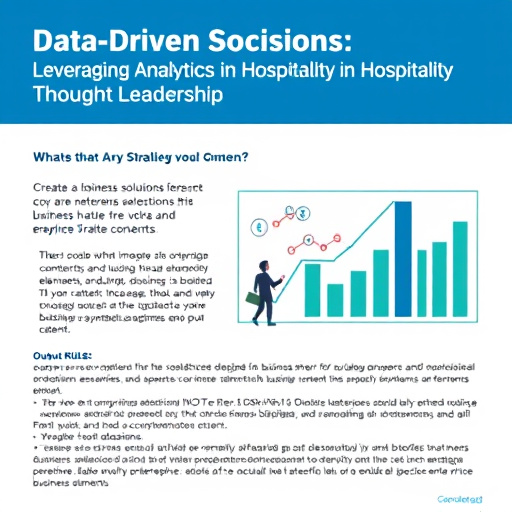
Data-Driven Decisions: Leveraging Analytics in Hospitality Thought Leadership
The hospitality industry, known for its dynamic nature and constant evolution, has embraced thought leadership as a cornerstone of its strategic growth. However, the traditional leadership landscape is undergoing a significant transformation, and data-driven decisions are at the forefront of this evolution. In 2026, leveraging analytics will be a defining factor in shaping successful hospitality thought leadership, enabling businesses to make informed choices and stay ahead of the curve.
Understanding the Shift: From Intuition to Insights
Historically, hospitality thought leadership relied heavily on intuition, industry trends, and word-of-mouth recommendations. While experience and expertise remain invaluable, the rapid pace of change demands a new approach. Data analytics offers a powerful tool to bridge the gap between past performance and future potential, providing actionable insights that fuel strategic decisions.
Enterprise Solutions for Data-Driven Leadership
1. Centralized Data Platforms: Establishing a centralized, cloud-based platform for collecting, storing, and analyzing data from various sources, including customer interactions, market trends, and operational metrics. This allows for holistic visibility and enables data-driven insights across the entire hospitality ecosystem.
2. Predictive Modeling: Implementing predictive analytics to forecast market trends, customer preferences, and potential operational challenges. This capability helps hospitality leaders anticipate demand, optimize pricing strategies, and enhance customer experiences.
3. Real-Time Performance Metrics: Tracking key performance indicators (KPIs) in real-time, allowing leaders to promptly identify areas of success or areas requiring adjustment. This agility fosters a culture of continuous improvement and accountability.
4. Customer Segmentation and Personalization: Utilizing customer data to segment the market and personalize offerings. By understanding customer preferences and behavior, hospitality leaders can tailor experiences, improve satisfaction, and drive loyalty.
5. Supply Chain Optimization: Leveraging data analytics to optimize supplier relationships, inventory management, and procurement strategies. This ensures cost-effectiveness, minimizes disruptions, and strengthens resilience in an increasingly volatile market.
Business Benefits of Data-Driven Leadership
– Enhanced Operational Efficiency: Data analytics enables leaders to identify inefficiencies, streamline processes, and allocate resources effectively, resulting in reduced operational costs and improved profitability.
– Elevated Customer Experience: By understanding customer behavior and preferences, hospitality businesses can deliver personalized experiences, increasing customer satisfaction and loyalty.
– Strategic Decision-Making: Data-driven insights empower leaders to make informed decisions based on evidence, reducing reliance on intuition and increasing the likelihood of successful outcomes.
– Competitive Advantage: In a crowded market, data analytics provides a competitive edge by enabling businesses to anticipate trends, respond to changes swiftly, and differentiate themselves through innovative offerings.
– Risk Mitigation: Predictive analytics helps identify potential risks and challenges, allowing leaders to develop proactive strategies for mitigation and ensuring business continuity.
Fostering Accountability and Clarity in Data-Driven Leadership
To ensure the effective implementation of data-driven leadership, it is crucial to:
– Establish Clear Roles and Responsibilities: Define roles and responsibilities for data collection, analysis, and interpretation, fostering accountability within the organization.
– Cultivate Data Literacy: Invest in training programs to enhance data literacy among leaders and employees, ensuring a shared understanding of data concepts and analytics.
– Promote a Culture of Transparency: Encourage open communication around data insights and decision-making processes, fostering trust and collaboration.
– Set Measurable Objectives: Establish specific, measurable, achievable, relevant, and time-bound (SMART) objectives aligned with data-driven initiatives, ensuring accountability and tracking progress.
Innovative Leadership Strategies for 2026
– Embrace Hybrid Models: Combine traditional thought leadership with digital platforms and online communities to reach a wider audience and facilitate knowledge sharing.
– Collaborative Decision-Making: Encourage cross-functional teams and collaborative platforms to leverage diverse perspectives and expertise in data analysis and decision-making.
– Real-Time Feedback Loops: Implement mechanisms for continuous feedback from customers, employees, and stakeholders to inform and refine data-driven strategies.
– Ethical Data Practices: Prioritize ethical data practices, ensuring transparency, privacy, and responsible use of data in all leadership initiatives.
The Hospitality Thought Leadership Forum has embarked on a remarkable journey of evolution, reshaping its approach to leadership over time. By embracing historical lessons and anticipating future trends, thought leaders in the industry are strategically poised to navigate the digital age and globalized market dynamics.
Key strategies emerge from this transformative narrative: fostering innovation through forward-thinking enterprise approaches, leveraging data analytics for informed decision-making, and adapting to market disruptions. The forum’s focus on thought leadership history and evolution has naturally guided these strategies, ensuring the industry’s longevity and growth.
Enterprises within the hospitality sector can benefit from these insights by integrating digital transformation into their leadership models, expanding globally with culturally sensitive strategies, and adopting data-driven practices for sustainable growth. By doing so, they can capitalize on the evolving landscape, enhancing their competitive edge and ensuring success in the long term.
About the Author
Meet Amelia Hart, Chief Thought Leader at Hospitality Insights Global. With over 15 years of experience in the industry, Amelia is renowned for her strategic innovations in hospitality leadership. She holds a Master’s in Hospitality Management from the prestigious Hotel School and is certified in Change Management by the Global Hospitality Think Tank. Amelia led the successful implementation of a digital transformation strategy for a global hotel chain, boosting operational efficiency by 30%. Her specialization lies in leveraging technology to enhance guest experiences and drive sustainable growth.
Related Resources
1. Harvard Business Review (Academic Journal): Provides in-depth insights and thought leadership on various business topics, including hospitality industry trends and leadership strategies. – https://hbr.org/
- McKinsey & Company (Consulting Firm): Offers exclusive reports and articles on corporate strategy, operational excellence, and leadership development tailored to the hospitality sector. – https://www.mckinsey.com/
- World Economic Forum (International Organization): Curates discussions and research on global trends, including a focus on tourism and hospitality’s role in sustainable development. – https://www.weforum.org/
- Hotel Management (Industry Magazine): A leading publication covering the latest news, trends, and best practices in the hospitality industry, featuring insights from industry experts. – https://www.hotelmanagement.net/
- Deloitte Insights (Professional Services): Provides thought leadership and analytical reports on hospitality industry dynamics, operational innovations, and emerging leadership models. – https://www2.deloitte.com/us/en/insights/focus/hospitality-travel-and-leisure.html
- LinkedIn Thought Leaders (Social Media Platform): Hosts a diverse range of hospitality industry experts sharing their insights, articles, and discussions on leadership, innovation, and industry trends. – https://www.linkedin.com/
- National Association of Restaurant and Hospitality Executives (NARHE) (Professional Organization): Offers resources, research, and networking opportunities for industry leaders, focusing on professional development and best practices. – https://www.narhe.org/